
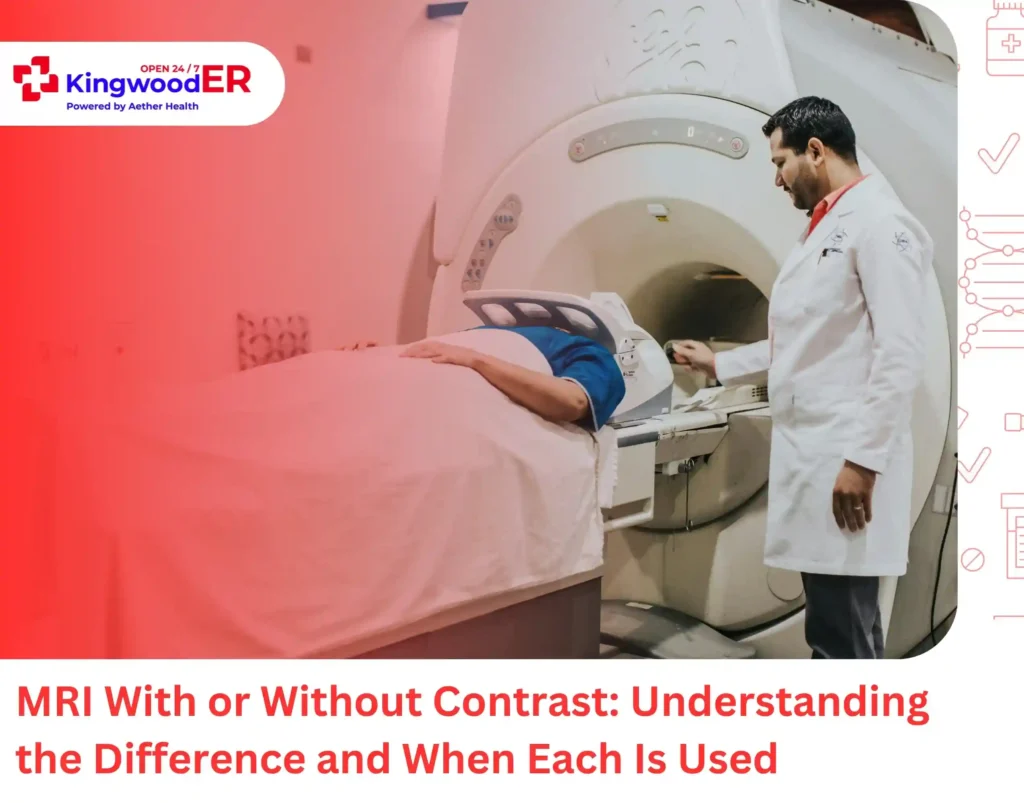
Magnetic Resonance Imaging (MRI) is an advanced diagnostic tool that helps in observing a detailed image of organs, tissues, blood vessels, and other internal structures. People often get confused between MRIs with or without contrast. It is recommended by the doctor based on the type of imaging required.
It is important to understand the difference between contrast MRI and non-contrast MRI, as it helps in understanding the right one for you. In general, MRI without contrast provides clear images to identify abnormalities. Whereas, on the other hand, MRI with contrast is used to provide a clear and more enhanced quality of diagnostic imaging.
Although MRI with contrast provides a clearer image quality, it is not always necessary to get an MRI with contrast, as one without contrast can help in identifying the radiologist’s findings.
In this guide we will help you understand about MRI with or without contrast along with the details about when contrast is necessary and what is the difference between each of these scans so that
What Is an MRI?
MRI is a comprehensive imaging technique that uses powerful magnets and radio waves that create a detailed imaging of the body’s internal structure.
It is used to identify conditions such as the following:
- Brain and nervous system
- Spine
- Joints and muscles
- Blood vessels
- Internal organs
- Soft tissues
It differs from X-rays and CT scans, as it does not use ionizing radiation, making it a preferred imaging method for many medical conditions.
What Is MRI Contrast?
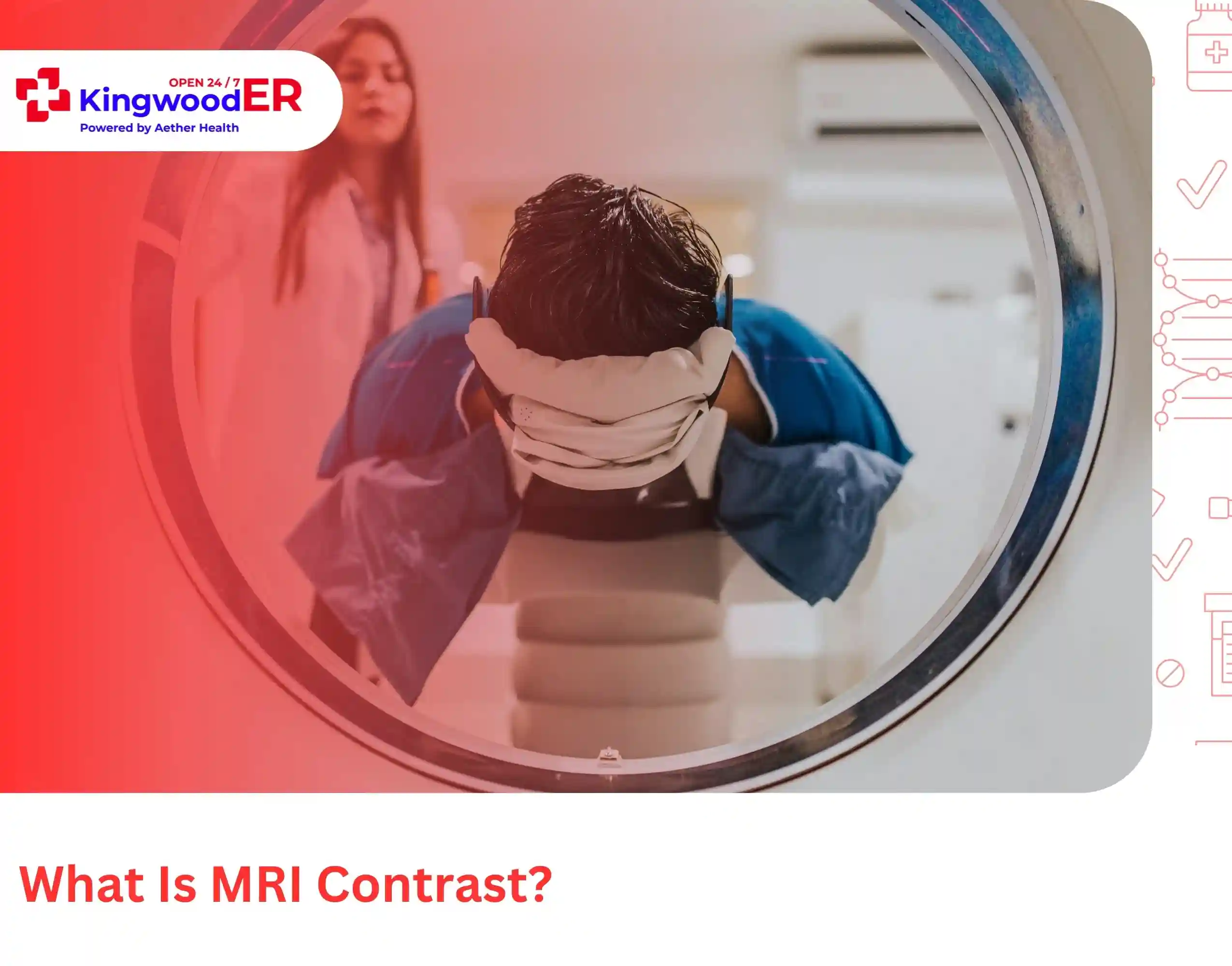
MRI contrast is a special kind of dye that contains gadolinium; it is injected into a vein during the scan. The contrast material travels through the bloodstream and helps highlight specific tissues, blood vessels, and abnormalities.
In contrast, with MRI, the visibility is improved, and it can reveal details that may not be as apparent on standard imaging.
ER of Kingwood provides 24/7 emergency medical care with advanced diagnostic services and experienced healthcare professionals ready to treat urgent and life-threatening conditions.
Benefits of MRI Contrast
Below are a few benefits of MRI contrast:
- It improves the image clarity
- Identifies inflammation
- Detects abnormal blood flow
- Improves tumor visualization
- Assists in evaluating infections
- Identified between healthy and diseased tissue
For more information on the role of medical imaging in timely diagnosis and treatment, read our blog Understanding Diagnostic Imaging in Kingwood: How It Can Aid in Fast Treatment? to learn how advanced imaging technologies help healthcare providers make faster and more accurate decisions.
What Is a Non-Contrast MRI?
A non-contrast MRI is undertaken without injecting any contrast dye. It is mainly based on the body’s natural tissue to create an image.
Mainly a non-contrast MRI provides excellent diagnostic information and is often the first imaging study ordered.
Advantages of Non-Contrast MRI
Below are a few benefits of non-contrast MRI:
- No IV injection required
- Shorter examination time
- Lower cost
- Suitable for patients with certain kidney conditions
- Avoids potential contrast-related side effects
In majority conditions, an MRI without contrast can provide sufficiently clear images to make an accurate diagnosis imaging.
What’s the difference between MRI With or without contrast?
The main difference is based on the image quality, detail, and visibility of specific abnormalities.
| MRI Without Contrast | MRI With Contrast |
| No dye injection | Uses IV contrast agent |
| Quick procedure | Longer procedure |
| Excellent for many structural abnormalities | Better for detecting tumors, infections, and inflammation |
| Used as an initial evaluation | Used when more detailed information is needed |
| Lower risk of side effects | Small risk of contrast reactions |
Doctors decide between contrast and non-contrast MRI based on the symptoms, suspected condition, and diagnostic goals.
To learn more about the importance of imaging tests in identifying medical conditions, explore our blog Diagnostic Imaging: Guide for Diagnosis, which explains how various imaging techniques help healthcare providers accurately diagnose and monitor a wide range of health concerns.
What Does an MRI Without Contrast Show?
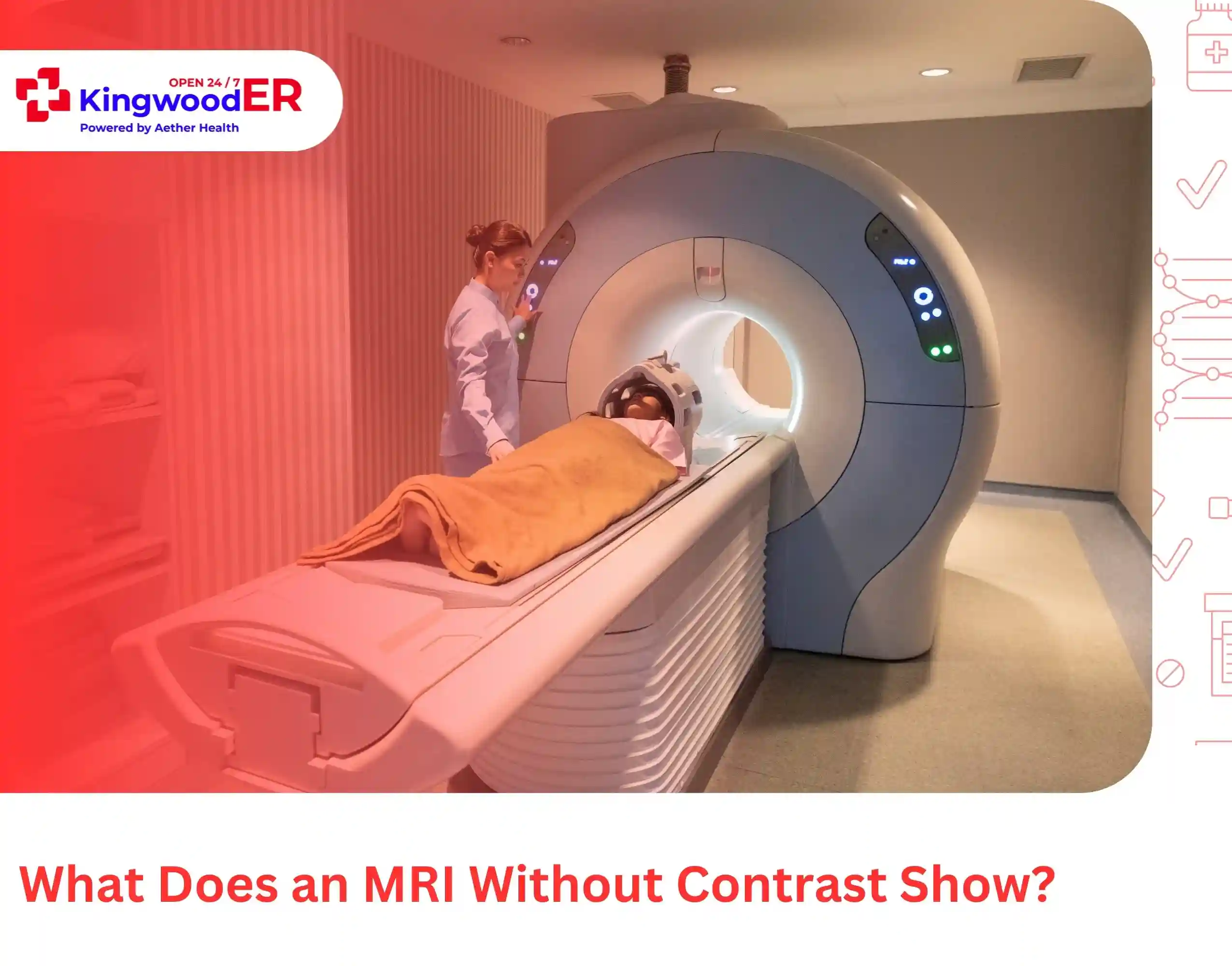
Patients have this common concern: What does an MRI without contrast show? This is to analyze in what cases an MRI without contrast is beneficial.
A non-contrast MRI shows:
- Anatomy of brain
- Herniated discs
- Joint injuries
- Ligament tears
- Degenerative spine conditions
- Bone marrow abnormalities
- Stroke-related changes
- Few types of tumors
- Structural abnormalities
An MRI without contrast may be used to identify a large tumor, significant brain swelling, or major structural changes. A non-contrast scan normally provides all the information required by a physician.
When Is an MRI With Contrast Recommended?
At times few MRIs with contrast require IV contrast because certain abnormalities are difficult to detect without enhanced imaging.
Healthcare providers may recommend contrast when evaluating the following:
- Brain tumors
- Multiple sclerosis
- Infections
- Blood vessel abnormalities
- Cancer staging
- Inflammatory diseases
- Post-surgical complications
As MRI with contrast enhances image clarity, doctors can often detect smaller abnormalities and better characterize suspicious findings.
Are MRI Contrast Agents Safe?
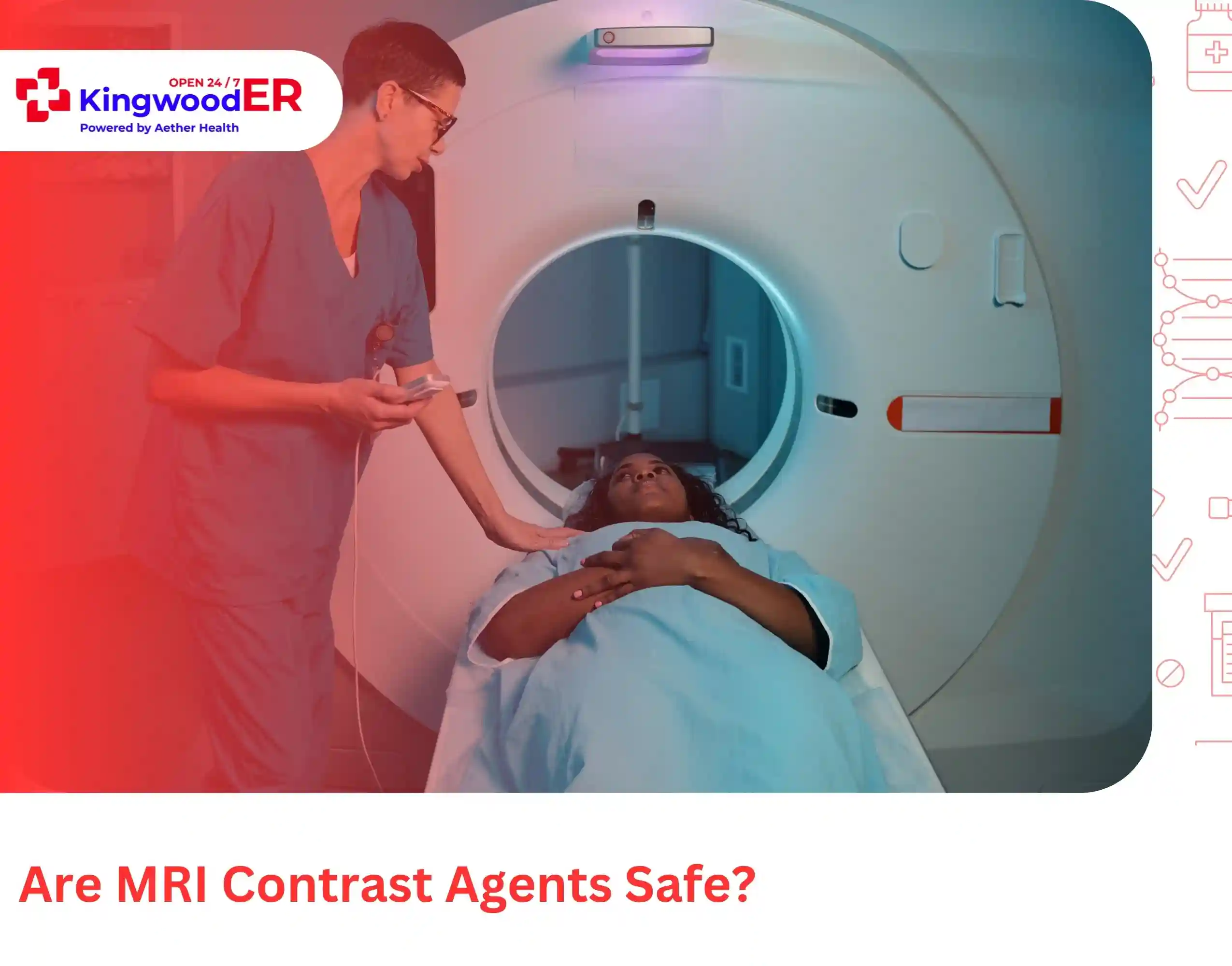
Yes, in most cases MRI contrast agents are safe; however, they might have a few side effects. The severity of these side effects can differ from person to person.
Side effects are uncommon but may include:
- Mild nausea
- Headache
- Temporary dizziness
- Injection-site discomfort
Patients who have severe kidney disease should immediately inform their healthcare provider before receiving contrast, as special precautions may be necessary.
Final Verdict
It is important to understand that MRI with or without contrast can help patients feel more informed and confident about their imaging procedure. Normally a non-contrast MRI often provides excellent diagnostic information for many conditions; some MRI exams require IV contrast to improve image detail and identify the abnormalities that might otherwise be difficult to detect.
If you’re undergoing a brain MRI with or without contrast, a brain MRI with and without contrast, or an MRI with or without contrast for stroke, the right decision is taken by the healthcare provider based on your needs. They might recommend the most appropriate imaging approach to ensure the most accurate diagnosis and effective treatment plan.
Frequently Asked Questions (FAQs)
Is MRI contrast always necessary?
No, in the majority of conditions, it can be accurately diagnosed using a non-contrast MRI.
What does an MRI without contrast show?
It can show structural abnormalities, strokes, joint injuries, spinal conditions, and various other medical issues.
Why do some MRI exams require IV contrast?
Contrast helps in identifying the tumors, inflammation, infections, and blood vessel abnormalities.
Is MRI contrast safe?
MRI contrast agents are very safe and cause few side effects.
Can a stroke be seen on a non-contrast MRI?
Yes, non-contrast MRI is commonly used to detect and evaluate strokes.