
fb-script

Pulled Chest Muscle Treatment - Kingwood, TX 77339 Emergency Care

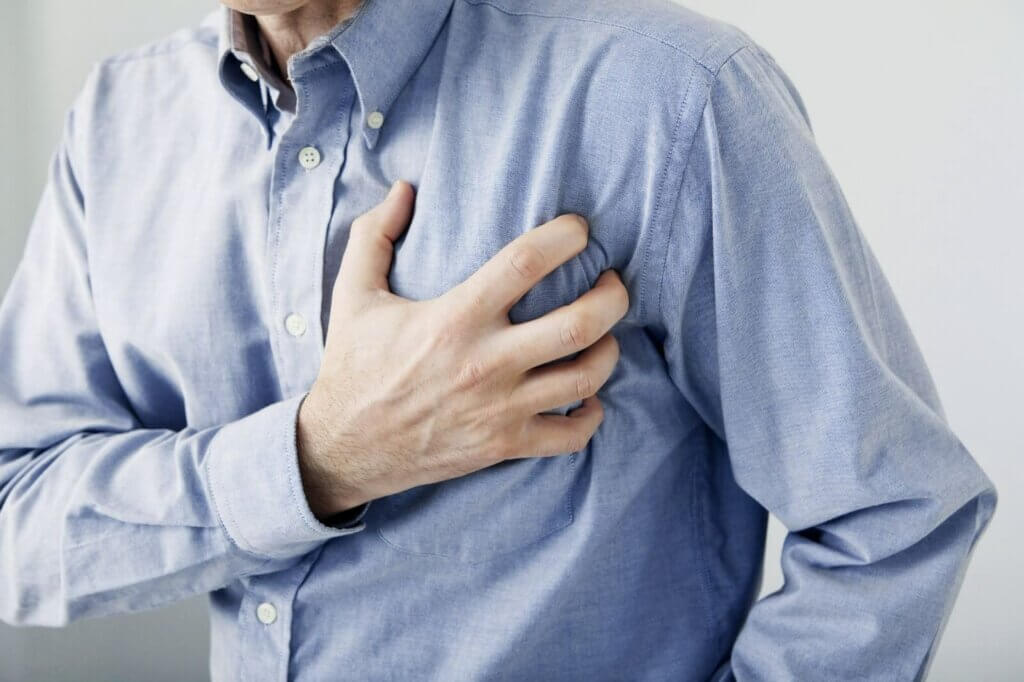
Experiencing sharp, persistent chest pain can be frightening, especially when you’re unsure whether it’s a simple pulled muscle or something more serious. At Kingwood Emergency Room & Urgent Care, we help patients in Kingwood, TX (ZIP 77339) and surrounding areas diagnose and treat pulled chest muscles and other causes of chest discomfort with fast, compassionate, board‑certified care.

A pulled chest muscle, also called a chest muscle strain, occurs when the muscle fibres in your chest wall, such as the intercostal muscles between your ribs or the pectoral muscles, are overstretched or torn due to activity or injury.

What Is a Pulled Chest Muscle?

A pulled chest muscle is a musculoskeletal injury caused when a strong force or repetitive motion strains or stretches muscle fibers beyond their capacity. This injury commonly affects:

  • Intercostal muscles (between ribs)
  • Pectoralis major or minor muscles (front chest)

It’s a common problem among athletes, fitness enthusiasts, workers lifting heavy objects, and even individuals who experience sudden or forceful coughing

Typical Symptoms of a Pulled Chest Muscle

Symptoms can vary based on severity, but may include:

  • Sharp or aching chest pain that worsens with movement or breathing
  • Pain when pushing, twisting, lifting, or stretching
  • Tenderness or bruising over the affected area
  • Pain that gets worse during deep breaths, sneezing, or coughing
  • Reduced chest mobility and discomfort when lifting your arm.

Important: If chest pain is sudden, severe, or accompanied by dizziness, shortness of breath, nausea, or sweating, this may be a sign of a cardiac or lung emergency and requires immediate evaluation. Always seek emergency care if you’re unsure what’s causing chest pain.

Chest Muscle Strain vs. Serious Chest Conditions

Because chest pain can mimic heart or lung issues, differentiating a pulled muscle from more serious conditions is essential. Signs that lean more toward musculoskeletal strain include:

  • Pain limited to one small area
  • Sharp pain with movement but not at rest
  • Pain that changes with shoulder movement
  • Tenderness when touching the area.

By contrast, symptoms that require emergency medical attention include:

  • Chest pressure, squeezing, or pain spreading to the arm, jaw, or back
  • Difficulty breathing or shortness of breath
  • Fainting or lightheadedness
  • Cold sweat, nausea, or extreme fatigue.

If any of these occur, walking into our 24/7 Kingwood Emergency Room immediately is critical.

Causes of Pulled Chest Muscles

Senior Doing Regular exercise

Exercise or Sports‑Related Injury

● Heavy lifting or bench press movements
● Repetitive overhead activities
● Contact sports impact

Common Causes of Chest Muscle Strain

Everyday Strain

● Sudden twisting or awkward reaching
● Forceful coughing or sneezing
● Overuse from repetitive tasks

Recognizing the Symptoms

Traumatic Events

● Falls
● Car accidents or collisions
● Workplace injuries.
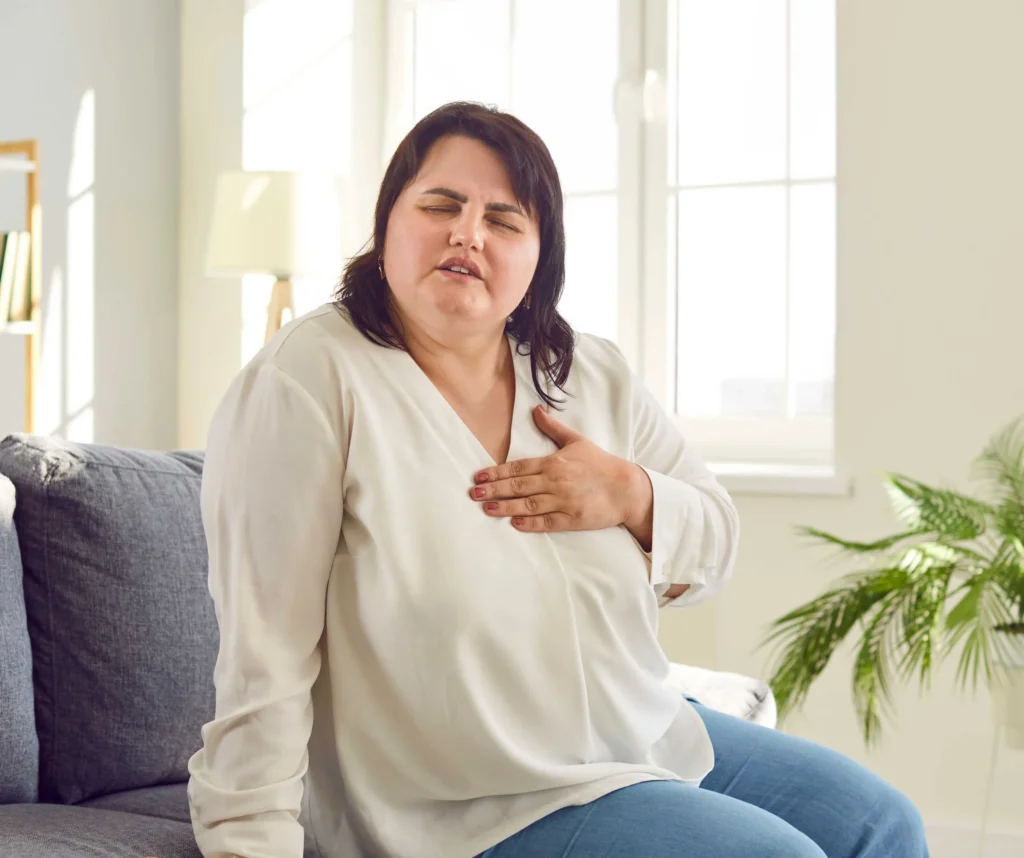
While many chest strains are muscular, others may require imaging to rule out fractures or deeper injuries, which is why professional evaluation matters.

How Pulled Chest Muscles Are Diagnosed

Effective Treatment Options

Emergency physicians will perform a complete evaluation, including:

  • A detailed medical history
  • Physical exam of the chest area and breathing motion
  • Range of motion and muscle strength testing
  • Imaging (X‑ray, ultrasound, or MRI if needed) to rule out fractures or internal injuries.

Because chest pain can coincide with heart or lung emergencies, doctors may also check heart function and rule out serious cardiac events before confirming a muscle strain.

Treatment Options

heart chest difference

Initial Care (Mild to Moderate Strains)

Most mild to moderate pulled chest muscles can be managed with:
● Rest and activity modification
● Ice packs for the first 48–72 hours
● Heat therapy after swelling decreases
● Over‑the‑counter pain relievers (like ibuprofen or acetaminophen)
● Gentle stretching and physical therapy once pain subsides

physical therapy

When Specialized Care Is Needed

More severe strains may require:
● Professional physical therapy
● Muscle relaxation therapy
● Imaging to evaluate deep muscle or rib injury
● Surgical consultation if there is a complete muscle tear

Most people see symptom improvement within several weeks, but recovery timelines vary based on severity and proper management.

When to Visit Kingwood ER for a Pulled Chest Muscle

when chest pain emergency

You should visit our 24/7 Emergency Room in Kingwood, TX 77339 if:

  • Pain does not improve within 48–72 hours
  • Pain worsens even with rest
  • You develop new symptoms like shortness of breath, lightheadedness, or chest pressure
  • You suspect your injury is severe or caused by trauma
  • Pain spreads to your arm, jaw, or back.

Our facility offers:

✔ Immediate triage and evaluation
✔ On‑site diagnostic imaging
✔ Board‑certified emergency physicians
✔ Personalized treatment plans
✔ Same‑day care, no appointment needed

Recovery & Prevention Tips

Recovery Tips

  • Gradually return to activities only when pain declines
  • Avoid heavy lifting or intense workouts during healing
  • Follow prescribed therapy exercises.

Prevention Tips

  • Warm up before exercise
  • Maintain good posture during activities
  • Build strong chest, back, and core muscles
  • Avoid sudden increases in activity intensity.

Kingwood Pulled Chest Muscle Care - 24/7 ER Help

If you suspect a pulled chest muscle or are unsure why your chest hurts, walk into our emergency room any time, day or night. Our team in Kingwood, Texas, 77339, has the experience and medical tools to evaluate your symptoms accurately and help guide you toward safe recovery.

Address: 2158 Northpark Dr, Kingwood, TX 77339
Phone: (713) 528‑8703

Contact Us

Feel free to contact us any time. We will get back to you as soon as we can.