

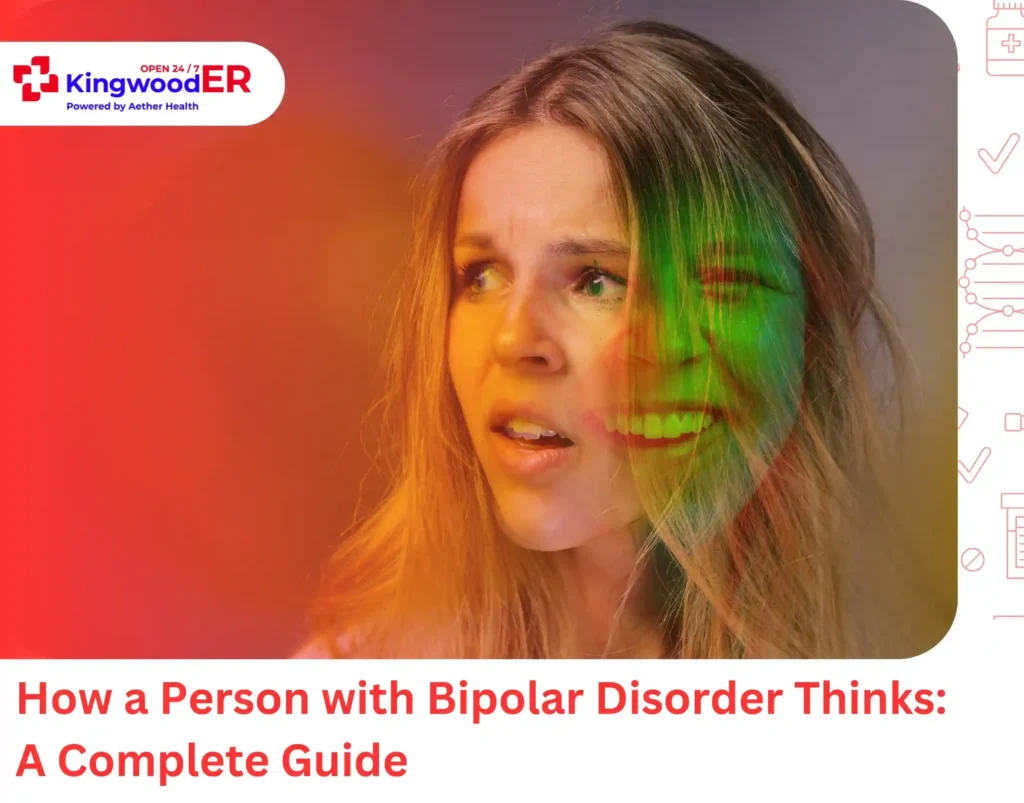
If you notice a person having extreme mood swings, then this condition might be due to a mental disorder. One of the most common mental disabilities is bipolar disorder. It is important to understand how a person with bipolar disorder thinks.
A person suffering from bipolar disorder not only suffers from mood swings, but it also affects their processes, perception, and behaviour. Bipolar disorder makes it difficult for individuals to understand a situation clearly. Thoughts of such a person quickly shift from normal mood to extreme manic or depressive attacks.
In this guide, we will help you understand how a person with bipolar disorder thinks so that you know how to deal with them and why they need medical assistance.
What Is Bipolar Disorder?
It is a mental condition in which a person notices extreme and quick changes in mood and energy; it might also affect their thinking ability. These changes might include manic and depressive episodes, making it difficult for a person to think normally.
In such a case, a person’s mental state quickly changes, deeply affecting how they think and react, making it difficult for them to make a decision. As a result, they might require proper care and understanding.
How Bipolar Disorder Affects Thinking
Bipolar disorder deeply distorts thinking, and its episodes vary. A person might struggle with focusing on a topic or providing logical reasoning.
Below are a few common challenges they might notice:
- Problem concentrating
- Stuck with one thought
- Overthinking
- Thinking negatively or having unrealistic patterns
- Impaired decision-making
Due to problems with thinking ability, such a person might face issues in daily life, relationships, and work performance.
If you or your loved one faces such an issue, then it is advised to seek medical assistance. At the ER of Kingwood, we offer reliable referrals.
Manic vs Depressive Thinking Patterns
To know how a person with bipolar disorder thinks, it is important to know the difference in their thinking patterns. Such a person might experience a mix of manic and depressive episodes.
Here’s a quick comparison between manic and depressive thinking:
| Aspect | Manic Thinking | Depressive Thinking |
| Change in Thoughts | Very fast, racing thoughts | Slow thinking |
| Focus | Easily distracted | Difficulty concentrating |
| Self-Perception | Overconfident | Low self-worth, guilt |
| Decision Making | Impulsive and risky | Indecisive and avoidant |
| Emotional State | Episodes of energetic or irritable mood | Persistent sadness and hopelessness |
Thinking During Manic Episodes
In cases when a person experiences manic episodes, they might notice a mix of energetic and irritable moods. This directly impacts their thoughts as their thoughts run quickly, making it difficult to keep up with one thought.
During manic episodes, a person might think the following:
- Rapid change in ideas
- Unrealistic beliefs
- Feeling irritated
- Difficulty in sleeping
People often consider this state a bit productive as compared to depressive thoughts, but it leads to poor and risky judgement.
Since mood changes can affect heart rhythm, it’s helpful to recognize the Signs of heart palpitations and when to seek care.
Thinking During Depressive Episodes
In cases when a person notices depressive episodes, they might notice the opposite effect. Their thoughts become slow and more negative. They also find difficulty in staying motivated in everyday activities.
Below are a few common depressive thinking patterns:
- Continuous negative thoughts
- Feeling hopeless or guilty
- Struggling with making a simple decision
- Loss of interest
A person experiencing depressive thoughts might face problems with interacting with people and might notice social withdrawal.
Signs of Bipolar Disorder
Knowing the early signs of bipolar disorder helps in starting treatment at an early stage. Signs might differ, but below are a few common symptoms of bipolar disorder:
- Intense mood swings
- Mood shifts fluctuate between highs and lows
- Sleeping and energy level changes
- Changes in thinking and behavior
- Impulsive actions during manic phases
- Low energy during depressive phases
Recognising these signs earlier helps in managing these issues early.
Emotional highs and lows may impact your heart rate; explore quick relief tips in our blog on How to Lower Heart Rate Fast.
Can You Trust a Bipolar Person?
Yes, but with proper understanding. A person with bipolar disorder does purposely do wrong actions. The manic episodes temporarily affect the person’s situation but do not make them unstable.
If you know such a person personally or are close to them, then you can trust them. They may require extra care and understanding to get over their mental condition.
How to Deal With a Person With Bipolar Disorder
It is important to learn a few things while dealing with a person with bipolar disorder. It requires patience and awareness, as they might act in a certain way due to their mental state.
Below are a few approaches to consider while dealing with a person with bipolar disorder:
- Learn about the condition
- Support or assist them when required
- Encourage them to take treatment
- Maintain a healthy boundary
- Have clear and compassionate communication
These steps can make a significant difference in maintaining a healthy and supportive relationship.
Conclusion: Understanding a Person with Bipolar Disorder
It is important to know how a person with bipolar disorder thinks; it helps in knowing about their thoughts, emotions, and behaviours. Such a mental condition results in intense mood swings and distorts their thinking ability.
A person suffering from bipolar disorder does not do such actions purposely. Such a shift in mood happens due to their mental condition, which requires therapy and treatment. Awareness and education are important not just for those who are diagnosed with it but also for those who have someone in their family facing such an issue.
Simple changes, such as practising patience and staying away from unnecessary conflicts, and having an open conversation with a person suffering from such an issue, help in building a stronger connection with such a person.
Frequently Asked Questions (FAQs)
How does a person with bipolar disorder think?
Such a person might experience shifts in thinking ability, making it fast and impulsive in mania and slow and negative in depression.
Does bipolar disorder distort thoughts?
Yes, it can result in unrealistic, scattered, or overly negative thinking.
Can you trust a bipolar person?
Yes, with treatment, they can be stable and reliable.
What are common signs of bipolar disorder?
Mood swings, sleep changes, impulsive behaviour, and thinking shifts.
How to deal with a person with bipolar disorder?
Stay patient with them; support and encourage them for treatment.