

Coughing forces your abdominal muscles to contract with surprising intensity. Each cough generates pressure that ripples through your core, and when something’s already inflamed or strained, that pressure makes it known.
So why does your stomach hurt when you cough? The causes range from simple muscle overuse after days of coughing to more serious conditions like appendicitis or kidney stones that require prompt medical attention.
This guide breaks down the patterns and causes of stomach pain when coughing so you can tell when it’s harmless and when it deserves medical attention.
Why Does My Stomach Hurt When I Cough?
Your stomach hurts when you cough because coughing briefly increases pressure inside your abdomen. This sudden pressure pulls on abdominal muscles, ligaments, and nearby organs that may already be irritated or sensitive.
A cough is a forceful reflex involving your diaphragm, abdominal wall, and rib muscles working together to push air out quickly. When these structures tense at once, they place added stress on any area that’s strained, inflamed, or healing. That’s why pain can appear even if you haven’t injured your stomach directly, the pressure exposes what was already irritated.
This same mechanism explains why your stomach hurts when you sneeze, laugh, or bend forward, since all these movements tighten your core in a similar way.
Common Reasons Your Stomach Hurts When You Cough

The most common reasons your stomach hurts when you cough include muscle strain from repeated coughing, appendicitis, kidney stones, gallstones, cysts, and digestive conditions like GERD or diverticular disease. Let’s explore each cause in detail:
Muscle Strain and Overuse
When stomach muscles hurt from coughing, the most frequent culprit is usually abdominal muscle strain and simple overuse. Persistent coughing from respiratory infections forces your abdominal muscles to contract hundreds of times daily, creating soreness identical to an intense core workout.
The rectus abdominis, obliques, and transverse abdominis all engage during coughing. After several days of a bad cold or bronchitis, these muscles fatigue and develop micro-tears that cause tenderness, sharp twinges, or dull aching. The pain typically worsens with each subsequent cough and improves with rest.
Signs your stomach pain is muscular:
- Tenderness when pressing on the abdomen
- Pain that worsens with movement, not just coughing
- No fever, nausea, or other systemic symptoms
- Gradual improvement over several days
Appendicitis
Appendicitis causes pain that starts dull near the belly button, then sharpens and migrates to the lower right abdomen within 12 to 24 hours. Coughing dramatically worsens this pain because the increased abdominal pressure irritates the inflamed appendix.
Appendicitis red flags:
- Progressive pain that doesn’t improve with rest
- Fever, nausea, or vomiting
- Loss of appetite
- Pain so severe that walking or standing upright becomes difficult
- Rebound tenderness when pressure is released from the abdomen
An untreated inflamed appendix can rupture, causing life-threatening infection. If you suspect appendicitis, seek emergency evaluation immediately.
Kidney Stones
Kidney stones are hard mineral deposits that move through the urinary tract, causing intense flank or lower abdominal pain. When you cough, the sudden rise in abdominal pressure intensifies this discomfort, making the pain sharper and more noticeable. The pain often comes in waves and may radiate toward the groin as the stone travels.
Kidney stones typically produce:
- Sharp flank pain radiating to the lower abdomen or groin
- Pain that comes and goes in waves
- Blood in urine or dark, cloudy urine
- Nausea and vomiting
- Frequent urge to urinate with minimal output
Seek medical attention if pain becomes severe, you develop fever or chills, or you have difficulty passing urine, as these may indicate infection or obstruction.
Gallstones
Gallstones are hardened deposits that form in the gallbladder and cause upper right or central abdominal pain. Coughing magnifies this pain because the jarring motion stresses the already inflamed gallbladder. Symptoms often appear after eating, especially meals high in fat.
Gallstones typically triggers:
- Upper right abdominal pain, sometimes radiating to the shoulder blade
- Pain after eating fatty foods
- Nausea, bloating, or indigestion
- Jaundice in more severe cases
If you’re asking why does my upper stomach hurts when I cough after eating, gallstones deserve consideration. Seek prompt evaluation if pain lasts longer than a few hours, if fever develops, or if you notice yellowing of the skin or eyes.
Hernias
A hernia develops when tissue or an organ pushes through a weakened spot in the surrounding muscle wall. Coughing increases pressure in the abdomen, making hernia pain worse and potentially causing visible bulging.
Types commonly aggravated by coughing:
- Inguinal hernia: Appears in the groin, more common in men
- Umbilical hernia: Occurs around the belly button
- Incisional hernia: Develops at previous surgical sites
- Hiatal hernia: Stomach pushes through the diaphragm, causing upper abdominal and chest discomfort
A bulge that appears when coughing and disappears when lying down strongly suggests hernia. If the bulge becomes painful, firm, or won’t push back in, seek emergency care as this may indicate strangulation.
Digestive System Issues
Gastrointestinal conditions can make pain in stomach when coughing more pronounced. These include:
- GERD (Gastroesophageal Reflux Disease): Creates a frustrating cycle where acid irritation triggers coughing, and coughing increases abdominal pressure that worsens reflux. Symptoms include burning chest pain, regurgitation, and chronic cough.
- Diverticular Disease: Inflamed or infected pouches in the colon wall cause lower left abdominal pain that worsens with any activity increasing abdominal pressure. Fever and changes in bowel habits often accompany flare-ups.
- Pancreatitis: Inflammation of the pancreas causes severe upper abdominal pain radiating to the back. Coughing intensifies this pain significantly. Nausea, vomiting, and fever commonly occur alongside the abdominal symptoms.
Pain in Lower Abdomen When Coughing Female
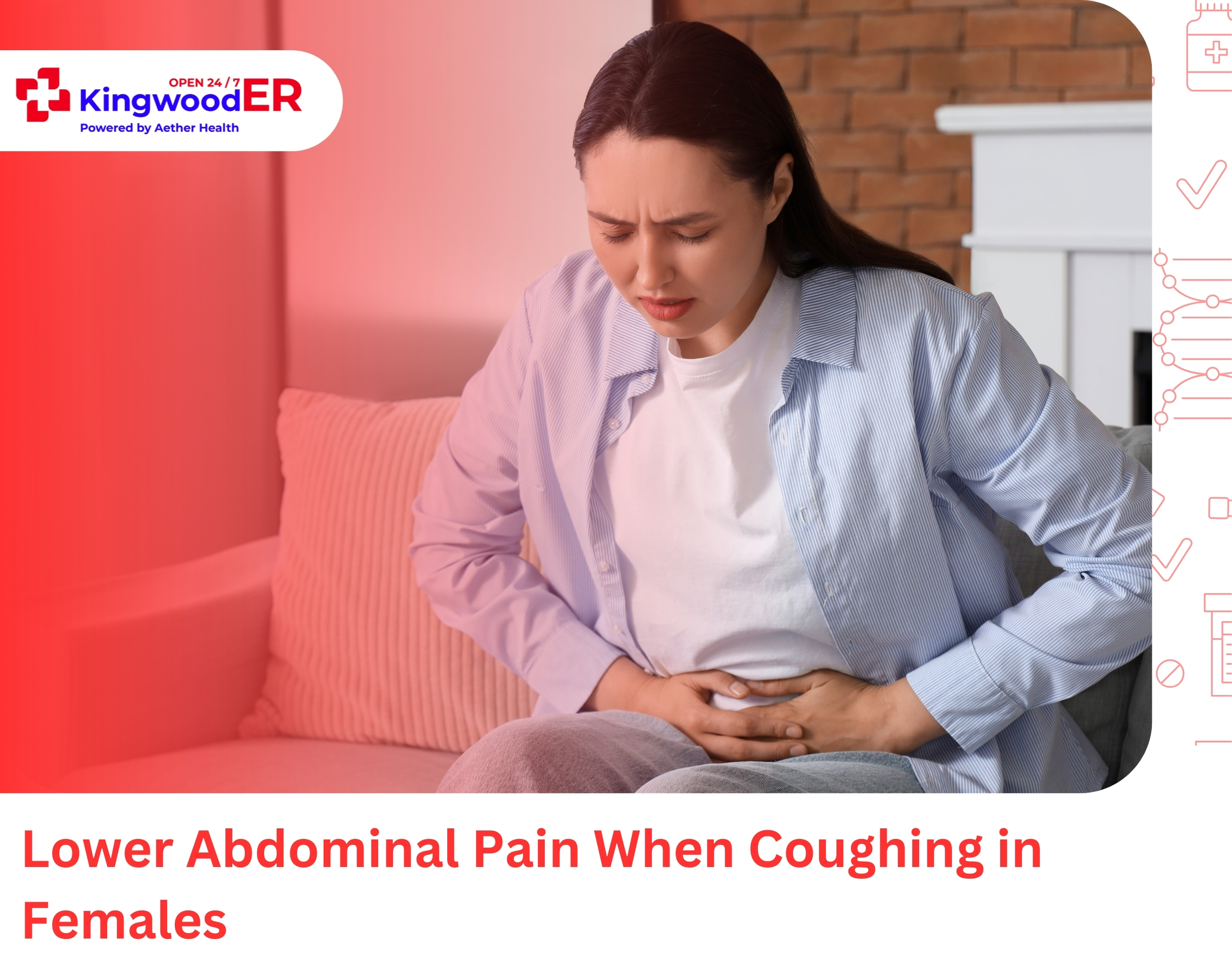
Women experience lower abdominal pain when coughing pain from ovarian cysts, endometriosis, or pelvic floor dysfunction. These gender-specific factors deserve special consideration when symptoms don’t fit typical patterns.
Pelvic Floor Dysfunction
Prolonged or violent coughing strains pelvic floor muscles responsible for supporting the bladder, uterus, and rectum. When these muscles weaken or become dysfunctional, coughing creates downward pressure that manifests as sharp lower abdominal or pelvic pain.
Risk factors include:
- Childbirth, especially multiple vaginal deliveries
- Menopause and hormonal changes
- Chronic constipation or heavy lifting
- Previous pelvic surgery
- Obesity
Women may also experience urinary leakage when coughing or sneezing. Pelvic floor physical therapy effectively strengthens these muscles and reduces symptoms for many women.
Endometriosis
Endometriosis affects roughly one in ten women of reproductive age. The condition occurs when tissue similar to the uterine lining grows outside the uterus, causing significant pain in the pelvis, lower back, and lower abdomen.
Coughing increases abdominal pressure that aggravates these tissue implants, intensifying pain. Symptoms characteristically worsen during menstruation, sexual activity, and bowel movements. Women with endometriosis often notice that when they cough, their stomach hurts more severely during certain times of their menstrual cycle.
Ovarian Cysts
Fluid-filled sacs on the ovaries range from harmless to problematic depending on size and type. Larger cysts cause lower abdominal pain that intensifies with coughing.
Symptoms may include:
- Bloating or pelvic fullness
- Pain on one side of the lower abdomen
- Feeling full quickly after eating
- Irregular periods
Many cysts resolve on their own without treatment. However, a ruptured or twisted cyst constitutes a medical emergency. Sudden severe pelvic pain, especially accompanied by fever, vomiting, dizziness, weakness, or rapid breathing, requires immediate evaluation. These symptoms can indicate ovarian torsion, which cuts off blood supply and demands urgent surgical intervention.
Cystitis and Urinary Tract Infections
Bladder infections affect women more frequently than men due to anatomical differences. Lower abdominal pain is a hallmark symptom that worsens when coughing adds pressure to the already-inflamed bladder.
Associated symptoms include:
- Burning during urination
- Frequent urge to urinate
- Cloudy or strong-smelling urine
- Pelvic pressure or discomfort
Most UTIs respond well to antibiotics, but untreated infections can spread to the kidneys, causing more serious complications.
Stomach Pain When Coughing During Pregnancy
Pregnant women commonly experience abdominal discomfort when coughing, particularly in the second and third trimesters. The growing uterus stretches abdominal muscles and ligaments, making them more susceptible to strain.
Common pregnancy-related causes of stomach pain when coughing:
- Round ligament pain: Sharp, jabbing sensations in the lower abdomen or groin when coughing, sneezing, or changing positions quickly
- Braxton Hicks contractions: Coughing can trigger these practice contractions
- Abdominal muscle separation: Diastasis recti makes the core weaker and more prone to discomfort
Seek immediate care if coughing triggers:
- Regular, painful contractions
- Vaginal bleeding or fluid leakage
- Decreased fetal movement
- Severe pain that doesn’t resolve
These could signal preterm labor, placental issues, or other complications requiring prompt evaluation.
Where Does the Pain in Stomach When Coughing Occur?
Pain location offers important clues about what’s causing your discomfort. Different areas point to different underlying issues.
Why Does My Upper Stomach Hurt When I Cough?
Upper abdominal pain during coughing typically involves organs beneath your ribcage or the muscles protecting them.
Common upper stomach pain causes include:
- Gallbladder issues
- Gastric problems
- Pancreatitis
- Muscle strain
- Hiatal hernia
Why Does My Lower Stomach Hurt When I Cough?
Lower abdominal pain when coughing often involves reproductive organs, the bladder, or intestinal conditions.
Common causes of lower stomach pain include:
- Appendicitis
- Hernia
- Bladder infection
- Diverticular disease
- Reproductive issues
Why Does My Side Hurt When I Cough?
Side pain during coughing may indicate:
- Kidney stones
- Muscle strain
- Pleurisy
- Appendicitis
When to Seek Medical Attention
Most stomach pain from coughing resolves once the underlying cough improves. Muscle soreness fades within days, and minor strains heal with rest. However, certain symptoms signal conditions requiring prompt evaluation.
Seek medical care if you experience:
- Severe or persistent pain lasting more than a few days
- Pain accompanied by high fever or vomiting
- Blood in stool or urine
- Visible bulging in abdomen or groin
- Sharp, localized pain that progressively worsens
- Difficulty breathing or chest pain
- Jaundice (yellowing of skin or eyes)
- Pain accompanied by unexplained weight loss
- Sudden onset of severe pain
These symptoms could indicate serious conditions requiring prompt medical intervention, such as appendicitis, internal bleeding, or severe respiratory infections.
Managing and Treating Stomach Pain When Coughing

Home Remedies for Mild Cases
For mild muscle strains causing ‘my stomach hurts when I cough’ complaints, several approaches provide relief:
- Rest your core by avoiding activities that engage abdominal muscles
- Support your abdomen with a pillow when coughing to reduce strain
- Apply heat or ice to tender areas for 15 to 20 minutes several times daily
- Take OTC pain relievers like ibuprofen or acetaminophen to manage discomfort
- Address the cough with suppressants, honey, throat lozenges, or increased hydration
- Gentle stretching once acute pain subsides helps restore flexibility
Avoid aggressive core exercises until the pain fully resolves.
Medical Treatments for Stomach Pain from Coughing
When stomach pain from coughing stems from an underlying condition, treatment targets the root cause:
- Respiratory infections: Antibiotics for bacterial causes or supportive care for viral illness to stop the coughing cycle
- Hernias: Surgical repair for symptomatic or at-risk hernias; small asymptomatic ones may be monitored
- Kidney stones: Hydration and pain management for small stones; lithotripsy or surgical removal for larger ones
- Gallstones: Medication for mild cases; cholecystectomy for recurrent or complicated stones
- Digestive conditions: Acid-reducing medications, dietary modifications, and lifestyle changes for GERD; specific protocols for diverticular disease and pancreatitis
Prevention Strategies
Preventing excessive coughing minimizes abdominal strain:
- Treat respiratory infections promptly rather than letting them linger
- Stay hydrated to keep airways moist
- Use a humidifier during dry months
- Avoid irritants like tobacco smoke and environmental pollutants
- Practice good hand hygiene and stay current on flu and pneumonia vaccinations
- Maintain core strength through regular exercise to build resilience
- Use proper lifting techniques to prevent hernia development
- Address chronic constipation to reduce repeated pressure on abdominal walls
Understanding Stomach Pain When Coughing: When It’s Serious
Stomach pain when coughing usually traces back to overworked abdominal muscles, particularly during respiratory infections. Rest, pain management, and treating the underlying cough resolve most cases within days.
Pain that persists, worsens, or comes with warning signs like fever, vomiting, or visible bulging needs medical evaluation. Conditions like appendicitis, strangulated hernias, and ruptured cysts require prompt intervention.
At Kingwood ER, our board-certified physicians use diagnostic imaging, including on-site CT scans, ultrasound, and laboratory testing to pinpoint the cause of your abdominal pain quickly.
Frequently Asked Questions
Why does my lower stomach hurt when I cough?
Lower abdominal pain when coughing often indicates muscle strain, appendicitis, inguinal hernia, bladder infection, or in women, ovarian cysts or endometriosis. Lower right pain warrants evaluation for appendicitis.
Why does my upper stomach hurt when I cough?
Upper stomach pain during coughing suggests gallbladder issues, GERD, pancreatitis, hiatal hernia, or strained upper abdominal muscles. Pain following fatty meals points toward gallstones.
Can coughing cause stomach muscle pain?
Yes. Persistent coughing forces abdominal muscles to contract repeatedly, causing fatigue, micro-tears, and soreness similar to an intense workout. This is the most common cause.
Why does my stomach hurt when I sneeze?
Sneezing engages the same abdominal muscles as coughing and creates similar pressure spikes. Any condition causing pain when coughing will likely cause discomfort when sneezing or laughing.
How do you get rid of stomach muscle pain from coughing?
To ease stomach muscle pain from coughing, rest your core, use warm compresses, stay hydrated, and try gentle stretching. Over-the-counter pain relievers may help reduce inflammation. If your stomach hurts when you cough for several days or stomach pain from coughing becomes sharper, getting checked helps rule out a deeper strain or hernia.
Is abdominal pain when coughing serious?
Not always, but it can be. Mild soreness often comes from strained muscles or repeated coughing. More serious causes include hernias, abdominal inflammation, or infection. If abdominal pain when coughing becomes persistent or severe occurs with other symptoms like swelling, fever, or vomiting.
Can you tear your stomach from coughing too much?
Yes. Intense or prolonged coughing can cause small tears in abdominal muscle fibers. When this happens, the pain often feels sharp and concentrated during movement, making stomach muscles hurt from coughing or even simple motions. In rare cases, a forceful cough can contribute to hernias, which may explain why your lower stomach hurts when you cough or why coughing pain keeps worsening.
Why do I get a stabbing pain when I cough?
A stabbing pain during coughing often comes from irritated or strained abdominal muscles. But it can also be linked to hernias, inflammation, or pressure changes in the abdomen. If the stabbing sensation keeps returning or intensifies every time you cough and your stomach hurts, a medical evaluation is recommended.