

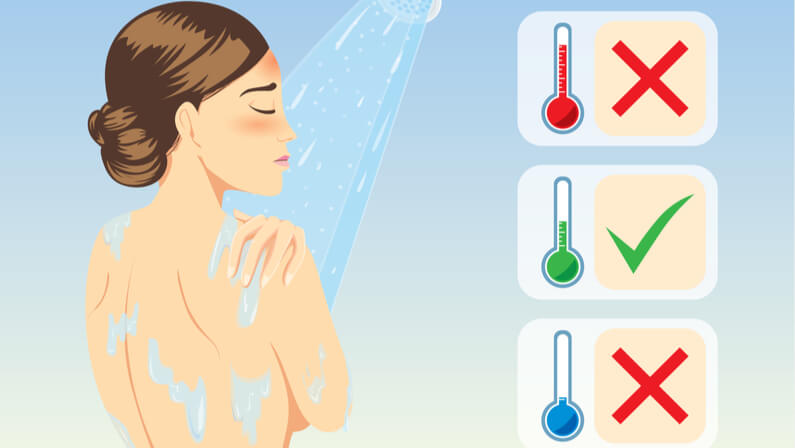
Take a lukewarm shower, not a hot or a cold one. Lukewarm water, roughly 85 to 95°F (29 to 35°C), lets your body release heat gently. Cold water can trigger shivering, which makes more heat. Hot water can push your temperature higher and leave you lightheaded. Keep the shower short, drink water before and after, and skip it if you feel dizzy or weak.
Key takeaways
- Lukewarm is the safest choice. It should feel neutral or slightly cool on your wrist, never cold and never steaming.
- Cold showers, ice baths, and alcohol rubs can backfire because they cause shivering.
- Hot showers can raise your core temperature and add to dehydration and dizziness.
- Keep showers to 5 to 10 minutes and drink water before and after.
- A fever in a baby 3 months or younger, a fever of 103°F or higher in an adult, or a fever with trouble breathing, confusion, a stiff neck, or a seizure needs emergency care.
Hot vs. Cold vs. Lukewarm Shower for Fever: Quick Comparison

| Water | Roughly | What it does | Main risk | Verdict |
| Cold | Below 85°F (29°C) | Narrows blood vessels near the skin and can start shivering | Shivering makes heat, so your temperature can rise again afterward | Avoid |
| Lukewarm | 85 to 95°F (29 to 35°C) | Lets heat leave the skin gently without a shiver response | Minimal for most people | Best choice |
| Hot | Above 100°F (38°C) | Widens blood vessels, adds heat, and increases sweating | Higher core temperature, dehydration, dizziness, fainting | Avoid, especially with a high fever |
Is a Cold Shower Good for a Fever?
No. It seems logical, but cold water usually works against you. When cold water hits your skin, the blood vessels near the surface narrow to hold heat inside. If the water is cold enough, your body starts to shiver, and shivering is how your muscles produce heat.
The result is often a fever that feels better for a few minutes and then climbs again. That is why MedlinePlus advises against cold baths, ice, and alcohol rubs for fever. A sudden cold shower can also be a shock to a body that is already worn down, raising your heart rate and making you breathe faster.
Is a Hot Shower Good for a Fever?
Not when your temperature is high. Hot water adds heat to a body that is already running warm. It widens your blood vessels, which can lower your blood pressure, and it makes you sweat, which pulls out fluid you are already losing to the fever.
That combination is why people with a fever often feel dizzy or faint in a hot shower. The one exception is the chills phase, covered below, when a few minutes of warm (not hot) water can ease shaking and body aches.
What Temperature Shower Is Best for a Fever?
Aim for lukewarm, roughly 85 to 95°F (29 to 35°C). Cleveland Clinic describes it as room-temperature water that feels slightly cool to you. Most people do not have a thermometer in the shower, so go by feel:
- Test the water with your wrist or inner elbow. It should feel neutral to slightly cool.
- It should never make you gasp or start to shiver.
- There should be little or no steam.
Keep the shower to 5 to 10 minutes for adults and shorter for children.
How to Shower Safely When You Have a Fever
- Drink a glass of water before you start.
- Set the water to lukewarm and test it on your wrist.
- If you feel unsteady, sit on a shower stool or take a lukewarm bath instead.
- Tell someone you are showering if your fever is high or you feel weak.
- Keep it to 5 to 10 minutes. Let the water run over your neck, chest, and back, where heat leaves the body easily.
- Step out slowly, pat your skin dry, and put on light, breathable clothing right away.
- Drink more fluids and rest.
Should You Shower If You Have Chills With a Fever?
Chills mean your body is still pushing its temperature up. During that phase, a short warm shower or a single light blanket is fine for comfort. Once you start to feel hot, switch to lukewarm water and take off the extra layer.
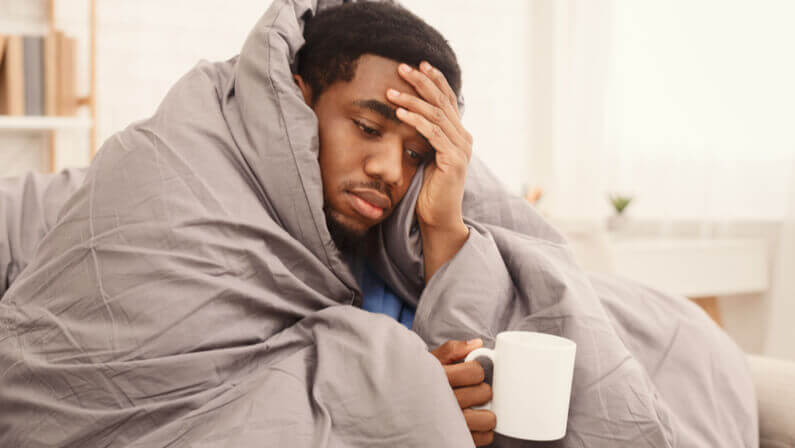
Avoid piling on heavy blankets. MedlinePlus advises against bundling up someone who has chills, because trapped heat can drive the temperature higher.
When to Skip the Shower
A shower is not worth the risk if:
- You feel dizzy, lightheaded, or faint when you stand up
- You are too weak to stand for several minutes
- You feel confused or unusually drowsy
- Your temperature is very high, and no one else is home
Try a sponge bath instead. Sit or lie down, dip a washcloth in lukewarm water, and wipe your forehead, neck, underarms, and chest. Let the water evaporate from your skin, and stop if you start to shiver.
Hot or Cold Shower When Sick With a Cold or the Flu?
If you have a cold or the flu without much fever, a warm shower can help. The steam loosens mucus and can make it easier to breathe through a stuffy nose.
If you also have a fever, keep the water warm rather than hot, limit the steamy part to about 5 minutes, then turn it down to lukewarm before you finish. Skip cold showers while you are sick, even if you normally take them.
Can Babies and Children Take a Bath During a Fever?
Yes. A lukewarm bath or sponge bath is safe for most children with a fever, as long as the child is comfortable. Keep these rules in mind:
- Test the water with your inner wrist or elbow. It should feel neutral, not warm and not cold.
- Never leave a child alone in the bath, even for a moment.
- Stop the bath if your child starts to shiver or gets upset.
- Never use cold water, ice, or rubbing alcohol. Alcohol can be absorbed through the skin and breathed in.
- Dress your child in one light layer afterward.
If your baby is 3 months or younger and has a temperature of 100.4°F (38°C) or higher, skip the bath and get care right away. Our pediatric emergency room sees newborns through teens around the clock.
Fever Myths: What Not to Do
- Sweating it out under heavy blankets. Trapping heat can raise your temperature further and speed up dehydration.
- Ice baths. They cause intense shivering and can shock the body.
- Alcohol rubs. They cause shivering, and the alcohol can be absorbed through the skin, which is especially risky for children.
- Alternating hot and cold showers. Switching temperatures puts extra strain on a body that is already stressed and can make you dizzy. Save it for when you are well.
Other Ways to Stay Comfortable With a Fever
- Drink fluids often. Water, broth, and ice pops all count.
- Keep the room comfortable, around 68 to 72°F (20 to 22°C).
- Wear light, breathable clothing and use a thin sheet instead of heavy covers.
- Rest as much as you can.
When Does a Fever Need the ER?
Most fevers can be managed at home. Get care right away if a fever reaches these thresholds, based on guidance from MedlinePlus and Mayo Clinic:
| Age | Get care right away if |
| 3 months or younger | Temperature of 100.4°F (38°C) or higher, taken rectally |
| 3 to 12 months | Temperature of 102.2°F (39°C) or higher |
| 2 years or younger | Fever lasting longer than 24 to 48 hours |
| Older children | Fever lasting longer than 48 to 72 hours |
| Adults | Temperature of 103°F (39.4°C) or higher, or fever lasting longer than 3 days |
| Any age | Temperature of 105°F (40.5°C) or higher |
Call 911 or go to the nearest ER right away if a fever comes with any of these:
- Trouble breathing, or blue lips, tongue, or nails
- Confusion, or being hard to wake
- A stiff neck or a very bad headache
- A seizure
- A child who cannot be calmed or will not move an arm or leg
- Vomiting that will not stop, or being unable to keep fluids down
A seizure with a fever calls for emergency treatment of seizures. Vomiting that will not stop may need gastrointestinal emergency care, and severe dehydration may need IV fluids for dehydration.
Fever Care at Kingwood ER

Kingwood ER is open 24/7 for adults and children, with board-certified emergency physicians and on-site lab testing and imaging. If a fever is not coming down, keeps coming back, or comes with any warning sign above, our high fever emergency care team can find the cause and treat it.
Visit our emergency room in Kingwood at 2158 Northpark Dr, Kingwood, TX 77339, or call (713) 528-8703. No appointment needed.
Frequently Asked Questions
Is it OK to take a shower with a fever?
Yes, if you feel steady on your feet. Use lukewarm water, keep it to 5 to 10 minutes, and drink water before and after. Skip it if you feel dizzy or weak.
Does a cold shower help bring a fever down?
Usually not. Cold water can trigger shivering, and shivering produces heat, so your temperature may rise again soon after.
Can a hot shower make a fever worse?
Yes. Hot water adds heat and increases sweating, which can raise your core temperature, add to dehydration, and cause dizziness or fainting.
How long should I shower with a fever?
About 5 to 10 minutes for adults and shorter for children. A short shower cools you gently without tiring you out.
Is a bath or a shower better with a fever?
Either works if the water is lukewarm. A bath or a seated shower is safer if you feel weak or lightheaded, and a supervised bath is usually easier for young children.