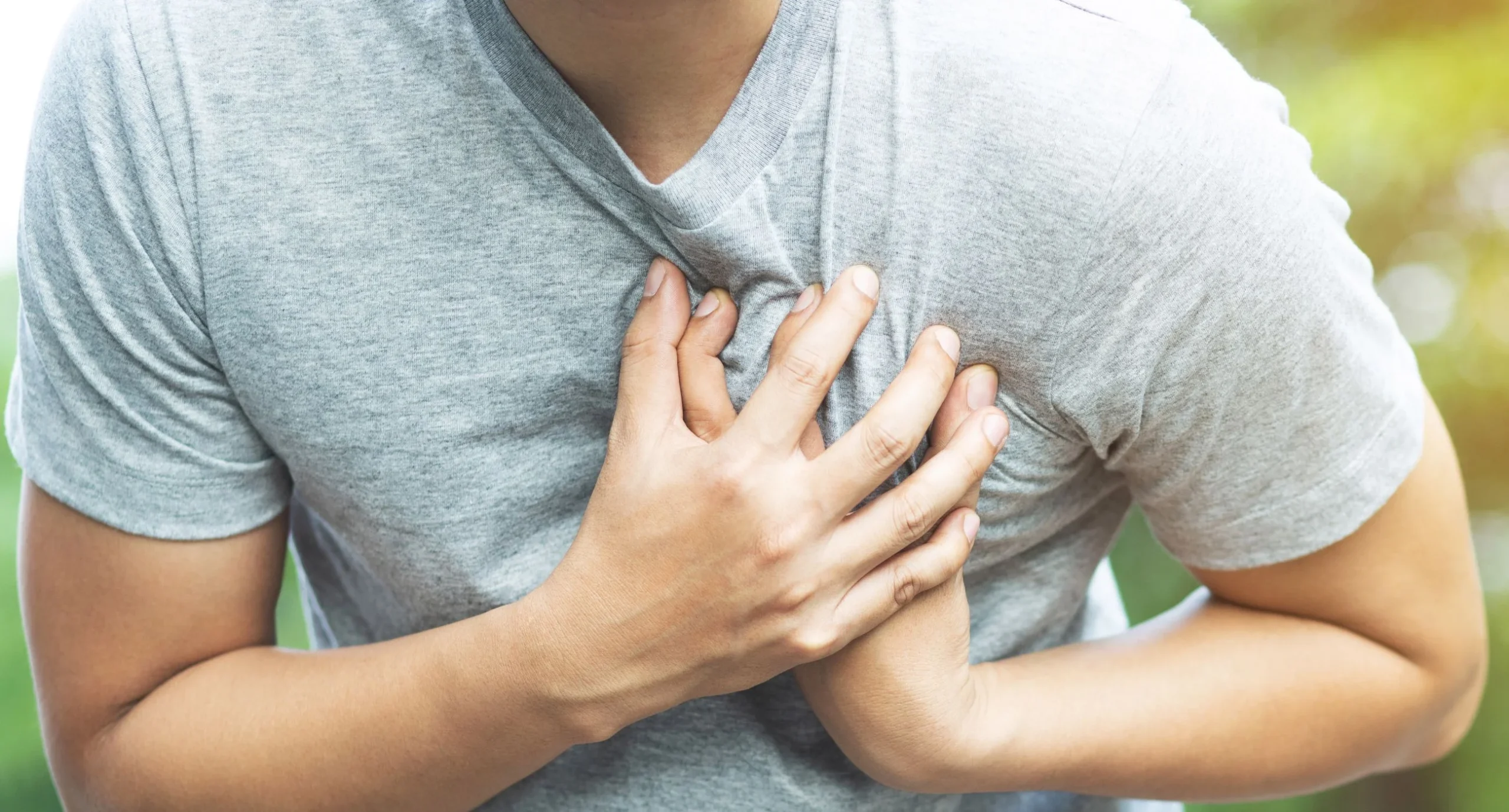
Chest pain can be frightening—many people immediately worry about a heart attack. However, a large number of cases turn out to be far less serious: a pulled or strained chest muscle (also called pectoral strain or intercostal strain). This injury often happens from sudden movements, heavy lifting, intense workouts, forceful coughing, or awkward twisting.
A pulled chest muscle typically causes sharp, localized discomfort that intensifies with deep breaths, coughing, or arm movements. Knowing the key differences from cardiac issues can provide peace of mind and guide the right next steps.
This complete guide explains what causes it, how to recognize the signs, safe home management, recovery expectations, and when professional evaluation is essential.
A pulled chest muscle happens when fibers in the pectoralis major, pectoralis minor, or intercostal muscles (between the ribs) stretch beyond their limits or partially tear. These muscles support arm motion, deep breathing, and upper-body stability, so an injury here disrupts everyday activities.
Strains are graded by severity:
Distinguishing musculoskeletal pain from a heart emergency is critical. Here’s a clear comparison:
Feature | Pulled Chest Muscle | Heart Attack Warning Signs |
Pain Location | Usually one-sided, pinpoint tenderness | Central chest pressure, radiates to arm/jaw/back |
Pain Type | Sharp/stabbing, worsens with movement/breathing | Heavy squeezing/pressure, often constant |
Onset | Tied to activity, injury, or cough | Can occur at rest or during exertion |
Other Symptoms | Localized tenderness, possible bruising | Sweating, nausea, dizziness, shortness of breath |
Response to Rest | Often eases with stillness or position change | Persists or worsens |
If pain feels like crushing pressure with systemic symptoms (e.g., cold sweat, nausea, lightheadedness), call emergency services immediately—better safe than sorry.

Strains often result from:
● Sudden heavy lifting or overhead movements (e.g., bench press, throwing)
● Contact sports or falls impacting the chest
● Forceful, repetitive coughing/sneezing (common during colds, flu, or bronchitis)
● Poor posture during workouts or daily tasks
● Twisting motions or abrupt reaches
Even everyday activities—like pushing a stuck window or intense coughing—can trigger it if the muscle is fatigued.

Typical signs include:
● Sharp or aching pain in the chest wall, often on one side
● Pain that spikes during deep breaths, coughing, laughing, or arm use
● Tenderness when pressing the area
● Mild swelling, tightness, or bruising (more visible in moderate/severe cases)
● Reduced range of motion in the shoulder/arm
● Muscle spasms or a "pulled" sensation
Symptoms usually stay localized and improve with rest—unlike widespread or radiating cardiac pain.
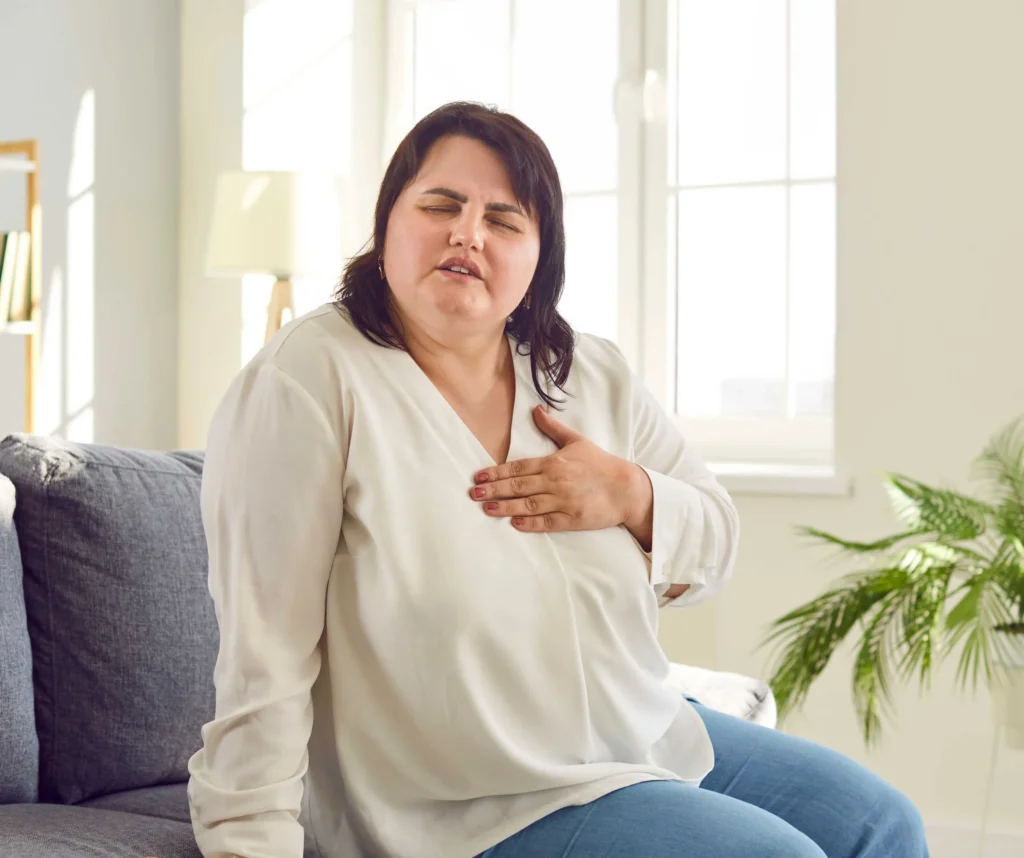
Most pulled chest muscles heal with conservative care:
Severe Grade 3 tears may require imaging, bracing, or rarely surgery.
Chest discomfort can stem from various non-muscle issues, including:
This variety underscores why evaluation is wise if pain is severe, persistent, or unusual.
Don’t delay if chest pain:
At Aether Health – Kingwood ER, our 24/7 freestanding emergency room offers immediate evaluation, on-site diagnostics, and expert care to rule out serious causes and start appropriate treatment. Located at 2158 Northpark Dr, Kingwood, TX 77339—no appointment needed, walk in anytime.
Mild strains often resolve in 1–3 weeks with rest and ice. Moderate cases may need 4–8 weeks, while severe tears can take months (especially if surgery is involved).
Pain with deep breathing is common, but true persistent breathlessness or difficulty breathing signals a potential cardiac or lung issue—seek emergency care immediately if concerned.
Untreated strains can become chronic, lead to scar tissue, weakness, or re-injury—early rest and care speed full recovery.
Most mild to moderate cases do with home RICE protocol in a few weeks, but get checked if pain lingers beyond 1–2 weeks or worsens.
Feel free to contact us any time. We will get back to you as soon as we can.
Need help?