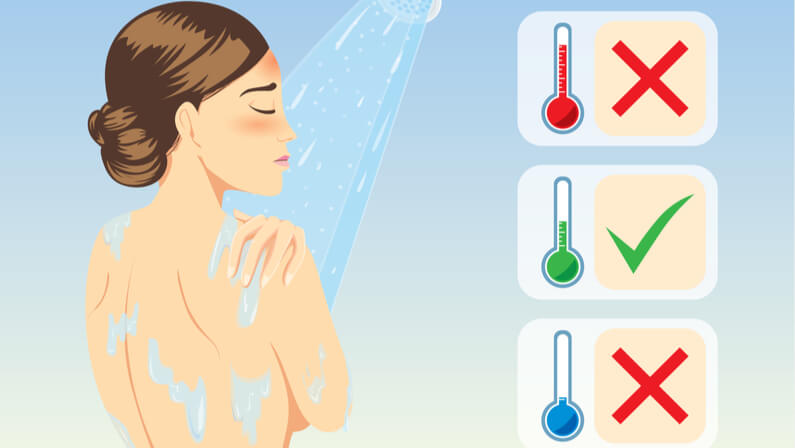
When you have a fever, a common question is whether a hot or cold shower can help lower your temperature. While cold showers may trigger shivering and hot showers can raise your core temperature, both extremes can worsen fever symptoms. Medical guidance recommends lukewarm showers as the safest option, helping to gradually cool the body without causing discomfort.
In this article, we explain why lukewarm water works best, how to safely bathe adults and children with fever, and practical steps to manage fever effectively at home.
Is It Okay to Take a Bath When You Have a Fever?
Yes, it is okay to take a bath when you have a fever — but only if the water is lukewarm.
Hot baths can raise your body temperature and worsen dehydration, while cold baths may trigger shivering, which can actually increase fever. A short lukewarm bath or shower helps cool the body gradually and improves comfort without stressing the immune system. For both adults and children, lukewarm water is the safest option when bathing during a fever.
What Is a Fever and Why Does It Occur?

A fever is the body’s natural response to infections or inflammation. It usually occurs when the body temperature rises above 100.4°F (38°C). Normal temperatures fluctuate between 97°F–99°F (36.1°C–37.2°C) depending on age, activity, and time of day, with seniors often having slightly lower baseline temperatures. If your fever is very high or persistent, seek immediate care at our high fever emergency care.
Common causes of fever include:
- Viral infections like influenza, colds, or COVID-19
- Bacterial infections such as urinary tract infections or strep throat
- Inflammatory conditions, including arthritis
- Reactions to vaccinations or certain medications
- Heat exhaustion during hot weather
What Temperature Actually Counts as a Fever?
A true fever begins when your body temperature reaches 100.4°F (38°C) or higher, measured orally, rectally, in the ear, or via temporal artery (forehead). Normal body temperature typically ranges from 97°F to 99°F (36.1°C–37.2°C) and fluctuates throughout the day—lowest in the early morning, highest in late afternoon and evening. Seniors and very young children often have slightly lower baselines, which is why an accurate measurement method matters.
What Causes Fever in Adults and Children?
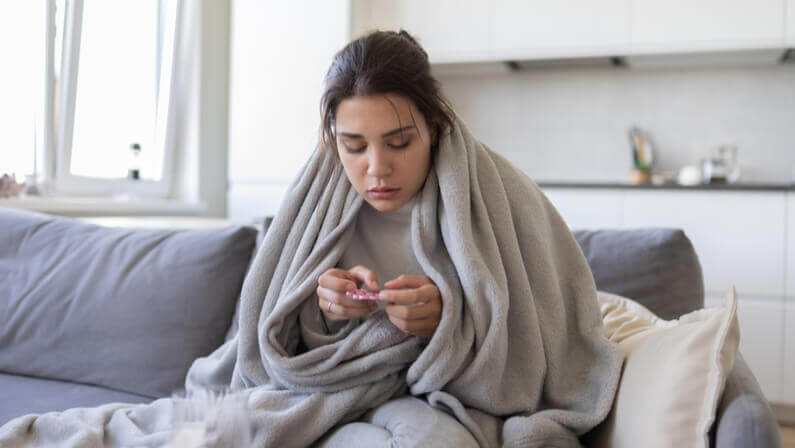
Fevers are triggered when your immune system releases chemicals called pyrogens that raise your internal thermostat. The most common causes include:
- Viral infections
- Bacterial infections
- Post-vaccination immune response
- Inflammatory or autoimmune conditions
- Heat exhaustion or heat stroke
- Certain medications or drug reactions
- Teething in infants
Is Cold Shower Good for Fever?
Many people wonder, “is cold shower good for fever?” While it might seem logical that cold water would reduce a high temperature, research shows the opposite. Cold showers often trigger shivering, which increases muscle activity and raises core temperature.
Risks of cold showers during fever:
- Traps heat in the body due to vasoconstriction
- Induces shivering, which raises temperature instead of lowering it
- Increases fatigue and discomfort
- Risk of hypothermia in children or sensitive adults
When it might be okay: Only for mild overheating without chills. A brief cool rinse can provide comfort, but must be monitored carefully.
Is Hot Shower Good for Fever?
People often ask “is hot shower good for fever?” because warm water feels soothing. However, hot showers can be risky. They dilate blood vessels and may raise core temperature, causing dehydration and dizziness.
Hot showers may provide temporary relief from:
- Nasal congestion
- Muscle stiffness
- Mild discomfort
Avoid hot showers if your fever is over 101°F (38.3°C), if you have chills, or if you feel weak or lightheaded.
What Temperature Shower Is Best for Fever?
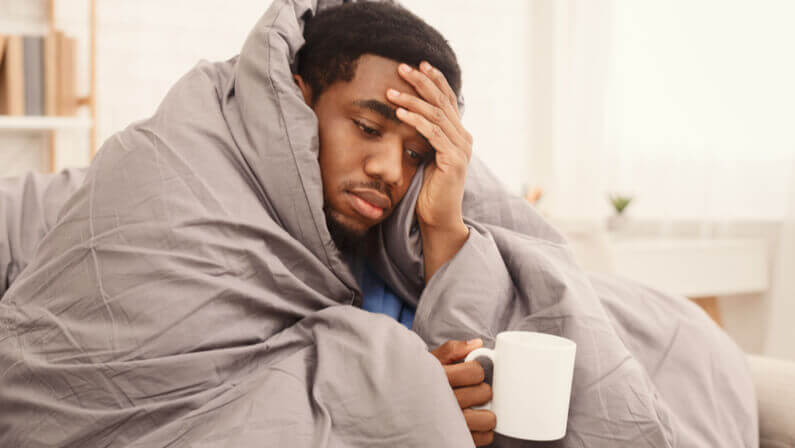
When debating a hot or cold shower for a fever, medical experts recommend lukewarm water. Lukewarm water cools the body gradually without causing shivering or overheating.
How to take a safe lukewarm shower:
- Water temperature should feel neutral on the skin (85–95°F or 29–35°C)
- Shower for 10–15 minutes, or use a sponge bath if you feel weak
- Dry off gently and wear loose, breathable clothing
- Hydrate immediately afterward
Lukewarm showers work for both adults and children, making it the safest option for fever management.
What Is the Safe Way to Take a Hot or Cold Shower for Fever?
Use lukewarm water only — 85°F to 95°F (29°C to 35°C). This is the “Goldilocks” temperature: not too hot, not too cold, just right.
Step-by-step guide:
- Fill the tub or set the shower to lukewarm (test with your elbow or inner wrist — it should feel neutral, neither warm nor cool)
- Stay in for 10–20 minutes (adults) or 5–10 minutes (children)
- Focus water on heat-loss areas: neck, armpits, groin, wrists, and forehead
- Add a few inches of water for sponge bathing if a full bath feels overwhelming
- Exit slowly to avoid dizziness
- Pat dry gently — do not rub
- Dress in loose, breathable cotton clothing
- Drink 8–16 oz of room-temperature fluid immediately after
This method safely lowers body temperature 1–2°F within 15–30 minutes without triggering compensatory shivering.
Is Taking Bath in Fever Good or Bad for Adults?
Good — when done correctly with lukewarm water. A 15–20 minute lukewarm bath is one of the most effective non-medication ways for adults to reduce fever, relieve muscle aches, and improve comfort. Cold or hot baths are bad and can worsen symptoms.
Can Babies Take a Bath During Fever?
For babies and young children, sponge baths at lukewarm temperatures are the safest. Avoid full immersion for infants under 3 months and seek medical attention immediately if their temperature is above 100.4°F (38°C).
Safe practices for babies:
- Lukewarm water only
- Maximum 5–10 minutes
- Supervise closely to prevent slips or sudden temperature changes
- Stop if the baby shows discomfort, rash, or unusual lethargy
Can I Take Bath in Fever and Cold?
Yes, and it’s actually one of the best remedies when you have both fever and congestion. Lukewarm water cools the body while the steam helps loosen mucus and open nasal passages.
Hot or Cold Shower When Sick with Flu?
Start with a 5-minute warm (not hot) shower to loosen chest and sinus congestion, then finish with 5–10 minutes of lukewarm water to address the fever. Avoid cold showers entirely — they dramatically worsen flu-related body aches and chills.
Should I Drink Hot or Cold Water for Fever?
Drink room-temperature or slightly cool fluids — never ice-cold. Aim for 8–12 cups (64–96 oz) per day for adults. Cool (not cold) fluids help with internal cooling, while ice-cold drinks can trigger shivering. Warm herbal tea with honey is fine for sore throat relief, but won’t help lower temperature.
How to Bring a Fever Down Quickly
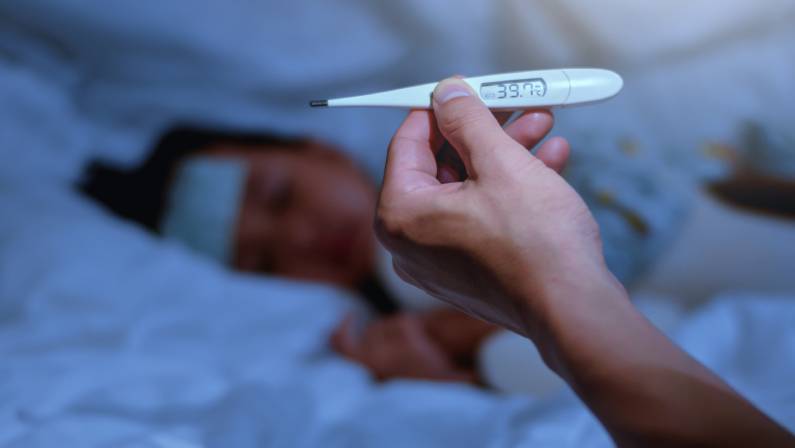
- Give the correct dose of ibuprofen or acetaminophen (ibuprofen often works faster and lasts longer)
- Start a 10–20 minute lukewarm bath or shower
- Offer plenty of room-temperature fluids with electrolytes
- Place the person in a cool room (68–72°F) with a fan blowing gently
- Dress in one light layer of cotton clothing
- Re-check the temperature after 30–60 minutes
This combination routinely drops the fever 1–3°F within an hour when applied correctly.
Is It Better to Stay Hot or Cold with a Fever?
Neither extreme. Keep the environment comfortably cool (68–72°F) and use lightweight, removable layers. Bundle lightly only during chills, then peel layers off as soon as the chill passes. Trapping heat with heavy blankets or getting too cold both make fever management harder.
When to Seek Medical Care for Fever
Adults:
- Temperature above 103°F (39.4°C)
- Fever lasting more than 3 days
- Confusion, severe lethargy, or persistent vomiting
- Difficulty breathing or chest discomfort
Children over 2 years:
- Fever over 102°F with lethargy
- No improvement after 48–72 hours
Infants under 3 months:
- Any fever above 100.4°F requires immediate evaluation
Urgent signs include seizures, stiff neck, severe headache, and dehydration.
How Long Does Fever Usually Last?
- Viral fevers: 1–4 days
- Bacterial fevers: 3–7 days with treatment
- Nighttime fever spikes are common due to natural circadian rhythms
Seek medical advice if fever persists for more than 5 days or if severe symptoms develop.
When to Visit KingWoodER in Texas

While most fevers can be managed at home, serious symptoms require professional care. KingWoodER provides 24/7 emergency services for both adults and children. Visit or call if fever persists, is high, or comes with concerning symptoms like seizures, persistent vomiting, or breathing difficulty.
FAQs
How can I bring a fever down quickly?
Take a lukewarm bath, drink plenty of fluids, rest, and use fever-reducing medication if needed.
Is it better to stay hot or cold with a fever?
Keep your environment neutral; avoid extremes to prevent shivering or overheating.
Can I take a bath during a fever?
Yes, but water should be lukewarm. Avoid hot or cold extremes.
Is a cold shower good for fever?
Cold showers are generally not recommended as they can trigger shivering and raise core temperature.
Should I drink hot or cold water for fever?
Drink room-temperature or slightly cool water to stay hydrated. Hot drinks can raise temperature, and very cold drinks may worsen chills.