

A rash after fever, medically known as an exanthem, is a skin eruption that appears either during the final stages of a fever or shortly after the fever subsides. These rashes typically develop as the body’s immune system responds to an infection, most commonly viral in nature. The rash may manifest in various forms, including flat red spots, raised bumps, blisters, or a combination of these patterns.
The timing of the rash’s appearance provides important diagnostic clues. Some rashes appear while the fever is still ongoing, while others show up once the temperature returns to normal.
Knowing when and how a post-fever rash develops reveals the cause and whether you need emergency rashes treatment.
Common Causes of Rash After Fever
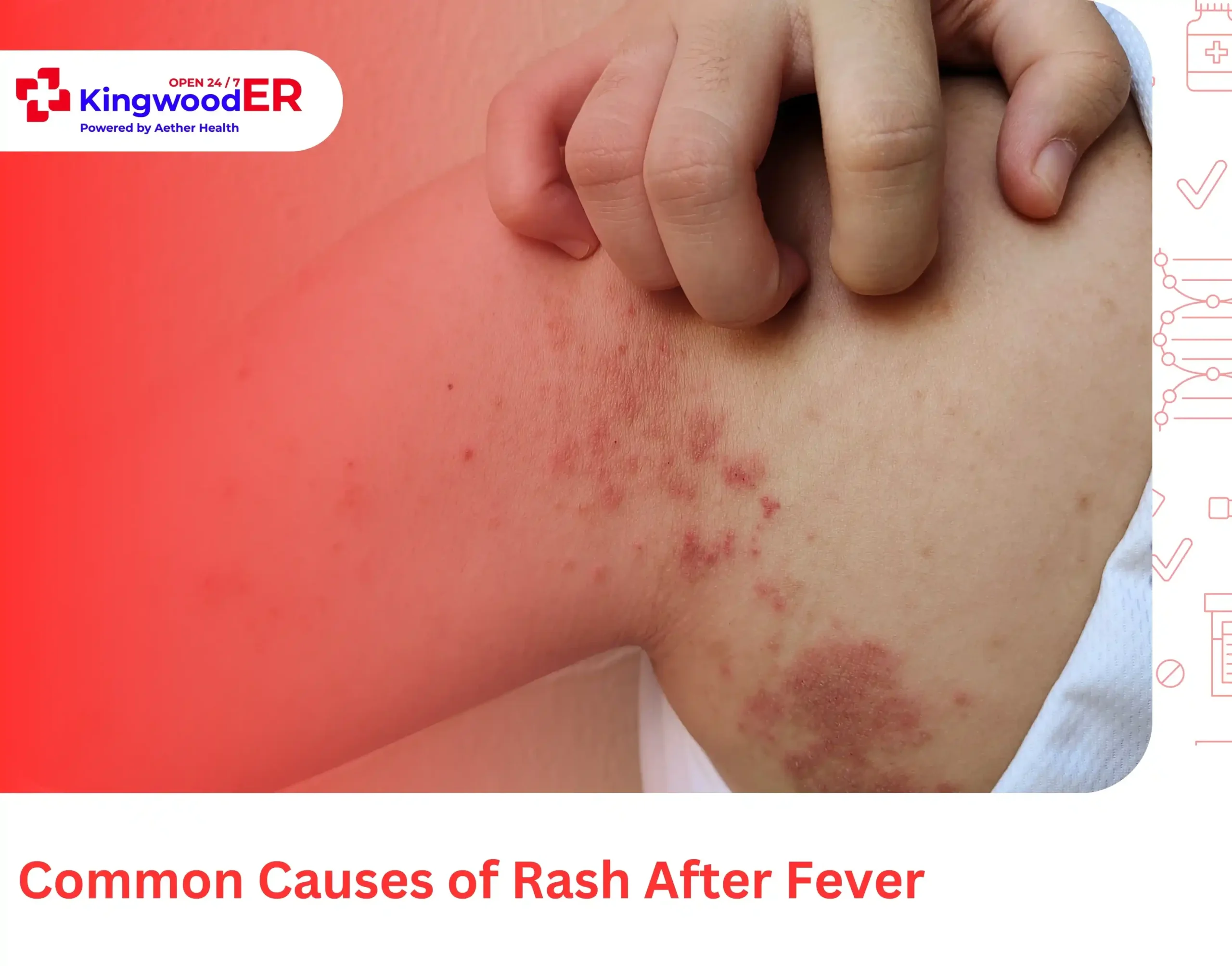
Several conditions produce a rash after fever. Identifying the pattern, timing, and accompanying symptoms points toward the specific cause.
Viral Infections
Viral infections represent the most frequent cause of post-fever rashes. Several specific viruses are notorious for producing distinctive rash patterns:
- Roseola infantum is perhaps the most classic example of a post-fever rash, primarily affecting children between six months and two years old. This condition follows a predictable pattern: a high fever lasting three to five days suddenly breaks, followed within hours by the appearance of a pink, non-itchy rash on the trunk that may spread to the limbs and neck. The rash typically resolves within one to two days without treatment.
- Measles produces a characteristic rash that begins behind the ears and along the hairline before spreading downward across the entire body. The fever typically precedes the rash by several days, and the rash appears as flat red spots that may merge together, creating a blotchy appearance.
- Rubella (German measles) causes a fine, pink rash that starts on the face and spreads downward. Unlike measles, rubella’s rash consists of smaller spots and the accompanying fever is usually milder.
- Fifth disease, caused by parvovirus B19, creates a distinctive “slapped cheek” appearance on the face, followed by a lacy, net-like rash on the trunk and limbs after the fever resolves.
Bacterial Infections
While less common than viral causes, bacterial infections can also produce post-fever rashes:
- Scarlet fever, caused by group A Streptococcus bacteria, creates a sandpaper-textured rash that typically appears one to two days after fever and sore throat begin. The rash is bright red and may be accompanied by a strawberry-like appearance of the tongue.
- Lyme disease, transmitted by tick bites, can cause a distinctive bull’s-eye rash called erythema migrans, though fever and rash timing can vary considerably with this condition.
Drug Reactions
Medications used to treat the initial illness like rash after fever, such as antibiotics or fever reducers, can sometimes trigger allergic reactions that manifest as rashes. Drug-related rashes may appear several days after starting a medication, potentially coinciding with fever resolution.
Symptoms Accompanying Post-Fever Rashes
Beyond the visible skin changes, post-fever rashes often occur alongside other symptoms that provide diagnostic clues:
- Fatigue and general malaise as the body recovers from infection
- Swollen lymph nodes, particularly in the neck, armpits, or groin
- Mild itching, though many viral rashes are non-itchy
- Residual respiratory symptoms like cough or runny nose
- Decreased appetite and irritability, especially in children
- Joint pain or muscle aches in some cases
When to Seek Medical Attention for Rash After Fever
While many post-fever rashes are benign and self-limiting, certain warning signs warrant prompt medical evaluation:
Immediate medical attention is necessary if:
- The rash includes purple or red spots that don’t blanch (turn white) when pressed, potentially indicating bleeding under the skin
- Fever returns after initially subsiding
- The patient exhibits signs of dehydration, such as decreased urination, dry mouth, or lethargy
- Breathing difficulties or wheezing develop
- Severe headache, stiff neck, or confusion occur, suggesting possible meningitis
- The rash appears infected, with increasing pain, warmth, swelling, or pus
- An infant under three months develops any rash with fever
Schedule a non-urgent medical appointment if:
- The rash persists beyond one week
- Itching becomes severe or interferes with sleep
- You’re unsure about the cause of the rash
- The person has underlying health conditions that may complicate recovery
- The rash spreads rapidly or changes appearance dramatically
Diagnosis and Treatment Approaches
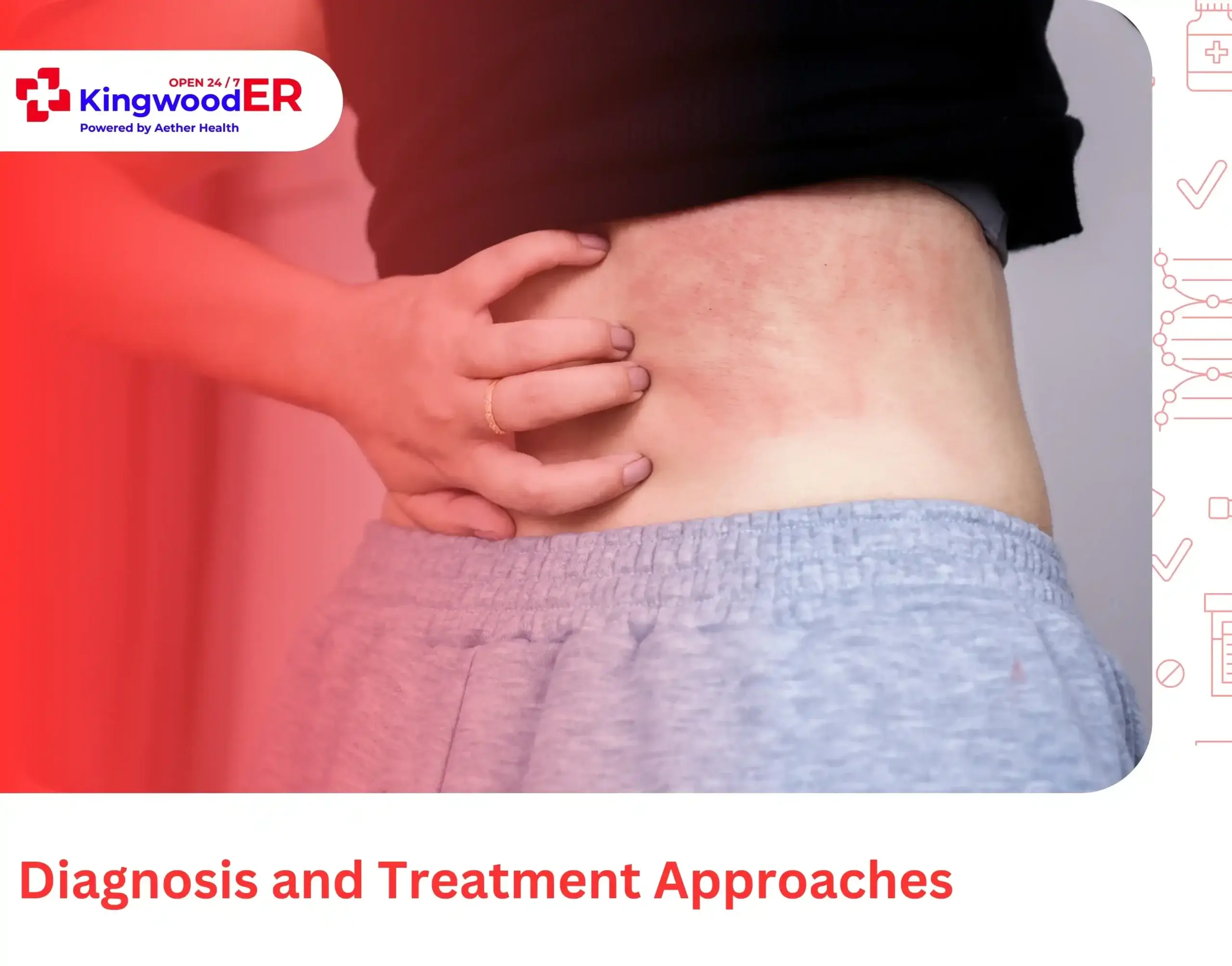
Healthcare providers diagnose a rash after fever through physical examination, medical history review, and consideration of the rash’s timing and characteristics. Additional tests may include throat cultures, blood tests, or viral panels if the diagnosis remains unclear or complications are suspected.
Treatment focuses primarily on symptom management, as most viral rashes resolve spontaneously:
Supportive care measures include:
- Adequate hydration with water, electrolyte solutions, or breast milk for infants
- Rest to support immune system recovery
- Cool compresses or lukewarm baths to soothe irritated skin
- Loose, breathable clothing to prevent friction against the rash
- Over-the-counter antihistamines for itching, if recommended by a healthcare provider
- Fever management with appropriate doses of acetaminophen or ibuprofen
Prescription treatments may be necessary for bacterial infections (antibiotics) or severe allergic reactions (corticosteroids or epinephrine).
Home Care and Prevention Strategies for Rash after Fever
Managing a post-fever rash at home involves gentle skincare and monitoring for complications.
Keep the affected skin clean and dry, using mild, fragrance-free soaps. Avoid scratching, which can introduce bacteria and cause scarring. Trim fingernails short, especially for children who may scratch unconsciously. Apply fragrance-free moisturizers if the skin becomes dry or flaky as the rash heals.
Prevention strategies vary depending on the underlying cause:
- Maintain up-to-date vaccinations, which protect against measles, rubella, and other rash-causing diseases
- Practice good hand hygiene to reduce viral transmission
- Avoid contact with individuals who have contagious illnesses
- Use insect repellent and perform tick checks in areas where Lyme disease is common
- Discuss any medication allergies with your healthcare provider before starting new treatments
The Recovery Timeline
Most post-fever rashes follow a predictable recovery course. Viral rashes typically fade within three to seven days without leaving permanent marks. The skin may temporarily appear darker or lighter in areas where the rash was present, but normal pigmentation usually returns within several weeks.
During recovery, children can generally return to school or daycare once they’ve been fever-free for 24 hours without medication, though specific guidelines vary by condition and local health department regulations. Adults can typically resume normal activities as they feel able, though fatigue may persist for several days.
Key Takeaway
A rash appearing after a fever is often a sign that the body is recovering from an infection. Most post-fever rashes are mild and resolve with rest and supportive care.
However, watch for warning signs like non-blanching spots, breathing difficulties, or returning fever. These symptoms require prompt medical evaluation to rule out serious complications.
FAQs
1. Does a rash mean the end of a virus?
Often yes. A rash after fever in viral infections typically signals recovery as the immune system clears the pathogen. However, not all rashes mean the virus is over, so continue monitoring symptoms.
2. How long does a fever rash stay?
Usually a few days. Most fade within one to three days as the body heals, though this can vary by cause.
3. Can a post-fever rash be contagious?
It depends on the underlying cause. Viral infections such as roseola or measles can be contagious before or during the rash phase, while allergic reactions and non-infectious rashes are not.
4. Should I give my child a bath when they have a post-fever rash?
Lukewarm baths are safe and can soothe irritated skin. Avoid hot water, which may worsen itching. Use mild, fragrance-free soap and pat the skin dry gently. Skip bubble baths or harsh products that could irritate the rash further.
5. When should I visit an emergency room for a post-fever rash?
Go to the ER if the rash appears suddenly with high fever, difficulty breathing, persistent vomiting, confusion, or signs of dehydration.